
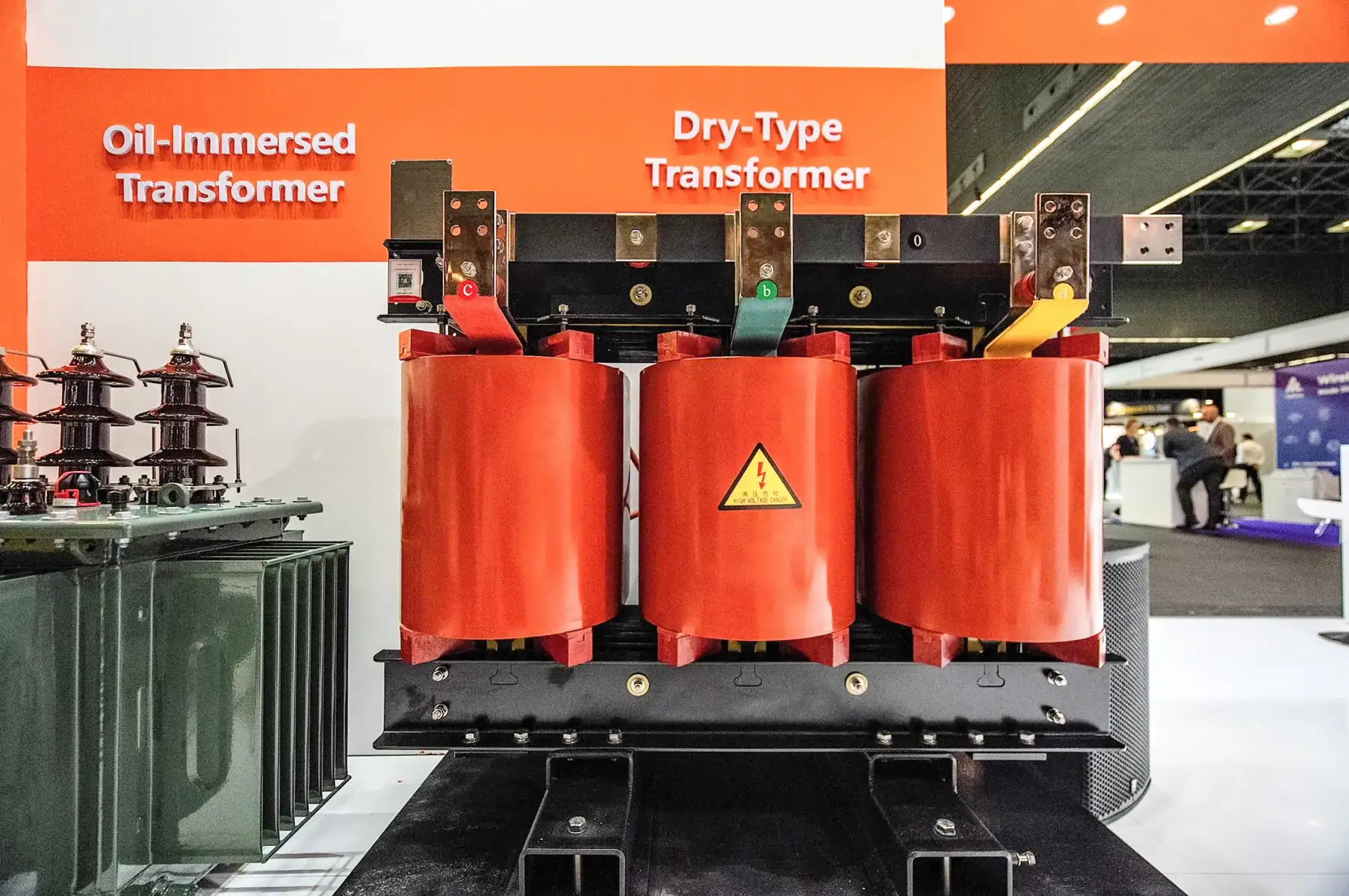
In einer Welt, in der die elektrischen Anforderungen immer weiter steigen, ist der dreiphasige Trockentransformator ein Beweis für moderne Technik. Stellen Sie sich vor: ein geschäftiger Industriestandort, der nahtlos mit minimalem Lärm und maximaler Effizienz versorgt wird. Das ist keine Science-Fiction, sondern die Realität, die diese unglaublichen Geräte bieten. Da die Industrien immer komplexer werden und der Ruf nach nachhaltigen Lösungen immer lauter wird, bietet die Technologie hinter diesen Transformatoren eine beeindruckende Mischung aus Zuverlässigkeit, Sicherheit und Umweltverträglichkeit, die nur schwer zu übersehen ist.
Doch was genau macht den dreiphasigen Trockentransformator zu einem “modernen Wunderwerk”? Es ist nicht nur ihre robuste Konstruktion oder die Tatsache, dass sie weniger Wartung benötigen als ihre ölgefüllten Gegenstücke. Es ist auch ihre Fähigkeit, sich an unterschiedliche Umgebungen anzupassen und auch unter schwierigen Bedingungen eine gleichbleibende Leistung zu erbringen. Stellen Sie sich vor, Sie könnten sperrige, wartungsintensive Systeme durch ein schlankes Design ersetzen, das Platz spart, ohne Kompromisse bei der Leistung einzugehen. Wenn wir uns näher mit diesem Thema befassen, werden Sie erfahren, warum diese Transformatoren bei der modernen Stromverteilung eine Vorreiterrolle spielen und von Hochhäusern bis zu Fabriken alles mit Strom versorgen. Egal, ob Sie ein Branchenveteran oder ein neugieriger Geist sind, das Verständnis dieser Transformatoren bietet wertvolle Einblicke in die Zukunft der Energie.

Die Grundlagen der dreiphasigen Trockentransformatoren
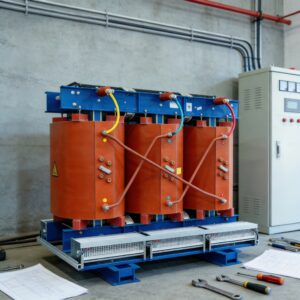
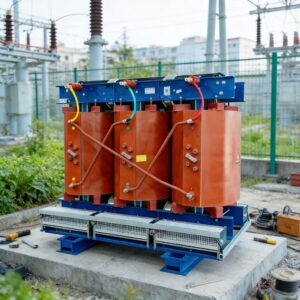
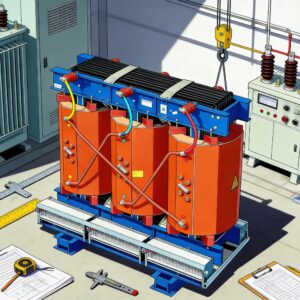
Ein Dreiphasen-Trockentransformator ist ein spezielles elektrisches Gerät, das für die Stromübertragung zwischen drei Wechselstromphasen ausgelegt ist, ohne auf eine flüssige Isolierung zurückzugreifen. Stattdessen werden Luft und feste Isoliermaterialien wie Epoxidharz oder speziell behandeltes Papier verwendet, um die dielektrische Festigkeit zwischen den Wicklungen und dem Kern zu gewährleisten. Diese Konstruktion eliminiert nicht nur das Risiko von Öllecks und Brandgefahren, sondern verringert auch den Wartungsaufwand und die Umweltbelastung. Der Kern besteht in der Regel aus hochwertigen Siliziumstahllamellen, während die Wicklungen um diesen Kern in einer Konfiguration gewickelt sind, die Spannung und Strom über drei Phasen ausgleicht.
Im Wesentlichen funktioniert der Transformator nach dem Faradayschen Gesetz der elektromagnetischen Induktion, bei dem der schwankende Strom in den Primärwicklungen eine Spannung in den Sekundärwicklungen induziert. Da er alle drei Phasen gleichzeitig verarbeitet, liefert er Industriemotoren, großen HLK-Systemen und komplexen Fertigungsanlagen einen ausgeglichenen Strom. Da der Transformator kein Öl enthält, kann er in Innenräumen ohne aufwendige Brandschutzsysteme installiert werden, was ihn besonders für städtische Umgebungen und sensible Einrichtungen geeignet macht. Die kompakte Größe in Verbindung mit robusten Sicherheitsmerkmalen unterstreicht, warum der dreiphasige Trockentransformator in modernen Stromverteilungsnetzen immer beliebter wird.
Vorteile gegenüber ölgefüllten Transformatoren
Einer der überzeugendsten Vorteile eines Drehstromtransformators in Trockenbauweise ist sein verbessertes Sicherheitsprofil. Da kein brennbares Öl verwendet wird, ist das Risiko eines Brandes oder einer Umweltverschmutzung drastisch reduziert. Dadurch eignen sich Trockentransformatoren ideal für Innenrauminstallationen wie Rechenzentren, Krankenhäuser und Geschäftsgebäude, wo strenge Sicherheitsvorschriften gelten. Außerdem ist die feste Isoliermaterialien sind im Laufe der Zeit weniger anfällig für Degradation, was die Lebensdauer des Transformators verlängert und die Gesamtbetriebskosten senkt.
Ein weiterer Vorteil liegt in den Aspekten Wartung und Betrieb. Ölgefüllte Transformatoren erfordern regelmäßige Ölproben, Filtration und Leckageüberwachung, um eine zuverlässige Leistung zu gewährleisten. Im Gegensatz dazu benötigen Trockentransformatoren nur einen minimalen Wartungsaufwand, der sich auf visuelle Inspektionen und gelegentliche Staubentfernung beschränkt. Außerdem weisen sie eine bessere thermische Leistung auf, da die feste Isolierung die Wärme gleichmäßiger ableitet. Kombiniert mit einem verbesserten Kerndesign und fortschrittlichen Wicklungstechniken, Trockentransformatoren laufen oft kühler, was sich in höherer Zuverlässigkeit und geringeren Ausfallzeiten für kritische Energiesysteme niederschlägt.
Anwendungen im industriellen Umfeld
Branchen mit hohem Strombedarf - wie die Stahlherstellung, die chemische Verarbeitung sowie die Zellstoff- und Papierproduktion - profitieren in hohem Maße von der robusten Leistung eines Drehstromtransformators in Trockenbauweise. Seine Fähigkeit, Überlastungen zu widerstehen und Spannungsschwankungen zu tolerieren, macht ihn zu einer ausgezeichneten Wahl für Hochleistungsmotoren und Öfen. Darüber hinaus können diese Transformatoren an spezifische Lastprofile angepasst werden, um auch unter wechselnden Betriebsbedingungen einen optimalen Wirkungsgrad zu gewährleisten.
Neben der Schwerindustrie werden Trockentransformatoren zunehmend auch in sensiblen Umgebungen wie Halbleiterfertigungsanlagen und pharmazeutischen Labors eingesetzt. Ihre saubere, ölfreie Konstruktion eliminiert potenzielle Verschmutzungsrisiken, während der leise Betrieb geräuschempfindliche Prozesse unterstützt. Auch auf Offshore-Plattformen und Schiffen kommen diese Transformatoren zum Einsatz, da sie resistent gegen Feuchtigkeit und korrosive Atmosphären sind. Ob in einer Fabrikhalle oder auf einer abgelegenen Bohrinsel, der dreiphasige Trockentransformator liefert zuverlässige Energie in anspruchsvollen industriellen Umgebungen.
Effizienz und Energieeinsparungen
In der heutigen stromintensiven Welt ist die Energieeffizienz ein entscheidender Faktor, und der dreiphasige Trockentransformator erfüllt diese Anforderung. Moderne Designs enthalten verlustarme Siliziumstahlkerne und optimierte Wicklungsgeometrien, die die Kern- und Kupferverluste reduzieren. Das Ergebnis ist ein Transformator, der über einen weiten Lastbereich mit höherem Wirkungsgrad arbeitet, was die Energieverschwendung minimiert und die Stromrechnungen senkt.
Darüber hinaus bedeuten niedrigere Betriebstemperaturen eine geringere thermische Alterung der Isoliermaterialien, wodurch sich die Lebensdauer verlängert und der Wirkungsgrad im Laufe der Zeit erhalten bleibt. Viele Trockentransformatoren sind auch strenge internationale Effizienzstandards erfüllen, wie IEEE- und IEC-Normen. Durch die Investition in hocheffiziente Transformatoren senken Einrichtungen nicht nur ihre Betriebskosten, sondern tragen auch zu umfassenderen Nachhaltigkeitszielen bei, indem sie ihren CO2-Fußabdruck verringern und umweltfreundlichere Strominfrastrukturen unterstützen.
Innovationen in Design und Konstruktion
Fortschritte in der Materialwissenschaft und den Fertigungstechniken haben zu bedeutenden Innovationen bei der Konstruktion von Drehstromtransformatoren in Trockenbauweise geführt. Die Hersteller verwenden jetzt Vakuumdruckimprägnierungsverfahren (VPI), um die Wicklungen gründlich mit Harz zu tränken und so ein homogenes Isolationssystem zu schaffen, das gegen Feuchtigkeit, Staub und schädliche Chemikalien beständig ist. Diese Methode erhöht auch die mechanische Festigkeit der Wicklungen und verbessert die Widerstandsfähigkeit gegen Kurzschlusskräfte und Vibrationen.
Eine weitere wichtige Entwicklung ist die Verwendung von amorphen Metallkernen, die im Vergleich zu herkömmlichem Siliziumstahl geringere Hystereseverluste aufweisen. In Kombination mit fortschrittlichen Wärmemanagementsystemen - wie z. B. Gießharzspulen mit integrierten Wärmekanälen - tragen diese Kerne zu einer noch nie dagewesenen Effizienz und Zuverlässigkeit bei. Außerdem wurden digitale Überwachungslösungen integriert, die die Erfassung von Temperatur-, Feuchtigkeits- und Leistungsdaten in Echtzeit ermöglichen. Diese intelligenten Funktionen ermöglichen eine vorausschauende Wartung und sofortige Fehlererkennung und revolutionieren die Verwaltung von Stromverteilungsanlagen in komplexen elektrischen Netzen.
Schlussfolgerung: Die zukünftige Rolle von Dreiphasen-Trockentransformatoren
Der dreiphasige Trockentransformator wird in der modernen Energieverteilung eine immer wichtigere Rolle spielen, da Industrie und Versorgungsunternehmen nach mehr Sicherheit, Effizienz und Nachhaltigkeit streben. Seine ölfreie Konstruktion, sein geringerer Wartungsbedarf und seine überragende thermische Leistung machen ihn zu einer bevorzugten Lösung für ein breites Spektrum von Anwendungen.
In dem Maße, wie Materialinnovationen und digitale Überwachung zum Standard werden, werden sich diese Transformatoren weiterentwickeln und noch mehr Zuverlässigkeit und Energieeinsparungen bieten. Wenn Unternehmen ihre Fähigkeiten heute verstehen und nutzen, können sie ihre Energieinfrastruktur zukunftssicher machen und zu einer saubereren, widerstandsfähigeren Energielandschaft beitragen.

 English
 Français
 Español
 Deutsch