

In der Elektrotechnik spielen Transformatoren eine entscheidende Rolle. Insbesondere Trockentransformatoren werden aufgrund ihrer Sicherheits- und Umweltvorteile häufig eingesetzt. Ein entscheidender Aspekt ihres Betriebs ist jedoch die Steuerung der von ihnen erzeugten Wärme. Das Verständnis der Wärmebelastung in diesen Transformatoren ist für einen effizienten Betrieb und eine lange Lebensdauer von entscheidender Bedeutung.
In diesem Artikel befassen wir uns eingehend mit der Wärmebelastungsanalyse, dem Wärmemanagement und weiteren Themen, soweit sie sich auf Trockentransformatoren.

Unter Wärmebelastung versteht man die Menge an Wärmeenergie, die ein Transformator während des Betriebs erzeugt. Bei Trockentransformatoren, die anstelle von Flüssigkeit Luft zur Kühlung nutzen, ist die Bewältigung dieser Wärmebelastung von entscheidender Bedeutung. Übermäßige Wärme kann zu einem verminderten Wirkungsgrad, zu Schäden an Bauteilen oder sogar zu einem Ausfall führen.
Warum ist die Wärmebelastungsanalyse wichtig?
Die Analyse der Wärmebelastung hilft dabei, zu verstehen, wie viel Wärme ein Transformator erzeugt und wie diese am besten abgeführt werden kann. Durch die Analyse der Wärmebelastung können wir Systeme entwickeln, die diese Wärme effizient ableiten und so einen effektiven und sicheren Betrieb des Transformators gewährleisten.
Wärmemanagement bei Trockentransformatoren
Das Wärmemanagement umfasst die Regelung der Temperatur im Transformator, um eine Überhitzung zu verhindern. Dies ist insbesondere bei Trockentransformatoren wichtig, da diese zur Kühlung auf Luft angewiesen sein.
Wärmeentwicklung bei Transformatoren aus Gießharz
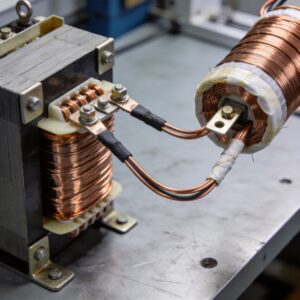
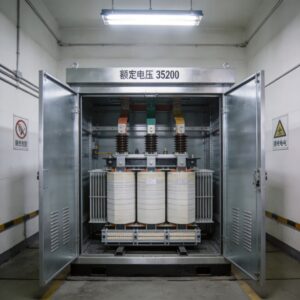
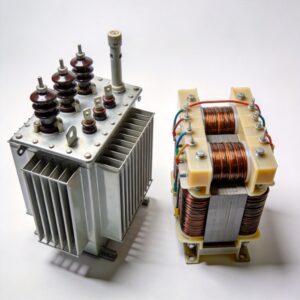
Harzvergossene Transformatoren sind eine Art von Trockentransformatoren, bei denen die Wicklungen in Epoxidharz eingegossen sind. Diese Bauweise bietet einen besseren Schutz vor Staub und Feuchtigkeit, stellt jedoch auch besondere Herausforderungen an das Wärmemanagement. Das Harz kann Wärme speichern, weshalb eine effiziente Wärmeableitung unerlässlich ist.
Belüftung von Transformatoren
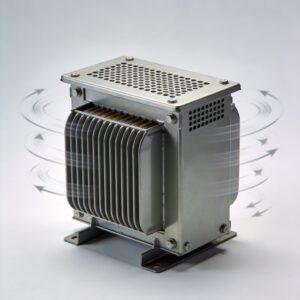
Die Belüftung ist entscheidend für Wärmemanagement bei Trockentransformatoren. Ein ausreichender Luftstrom sorgt dafür, dass die Wärme von den Transformatorbauteilen abgeführt wird. Bei der Planung einer geeigneten Belüftung müssen Faktoren wie Raumgröße, Luftströmungsrichtung und Umgebungstemperatur berücksichtigt werden.

Berechnung der Wärmebelastung
Für die Auslegung eines effizienten Kühlsystems ist es unerlässlich, zu wissen, wie sich die Wärmebelastung berechnet. Bei der Berechnung spielen mehrere Variablen eine Rolle, darunter die Last des Transformators, sein Wirkungsgrad und die Umgebungstemperatur.
Berechnung der Transformatorlast
Bei der Berechnung der Transformatorlast wird ermittelt, welche elektrische Last ein Transformator bewältigen kann. Dies ist von entscheidender Bedeutung, um sicherzustellen, dass der Transformator nicht überlastet wird, was zu einer übermäßigen Wärmeentwicklung führen kann.
Temperatur des Trockentransformators
Die Temperaturüberwachung ist entscheidend für die Beurteilung der Wärmebelastung eines Transformators. Im Inneren des Transformators können Sensoren angebracht werden, die Temperaturdaten in Echtzeit liefern und so dazu beitragen, fundierte Entscheidungen über den Kühlbedarf zu treffen.
Kühlsysteme für Trockentransformatoren
Um die Wärmebelastung in Trockentransformatoren zu bewältigen, sind effiziente Kühlsysteme erforderlich. Diese Systeme reichen von einfachen Belüftungsvorrichtungen bis hin zu komplexeren Zwangsluftkühlsystemen.
Optionen für Transformator-Kühlsysteme
- Natürliche Luftkühlung: Nutzt die Umgebungsluft zur Wärmeableitung. Das Prinzip ist einfach, reicht jedoch bei Transformatoren mit hoher Wärmebelastung möglicherweise nicht aus.
- Zwangsluftkühlung: Hier werden Lüfter eingesetzt, um den Luftstrom um den Transformator herum zu verstärken und so die Wärmeableitung zu verbessern.
- Klimaanlage: In manchen Anlagen kann eine Klimaanlage eingesetzt werden, um optimale Raumtemperaturen aufrechtzuerhalten, insbesondere in geschlossenen Räumen.
Die Bedeutung regelmäßiger Wartung
Eine regelmäßige Wartung ist entscheidend, um sicherzustellen, dass das Kühlsystem des Transformators einwandfrei funktioniert. Dazu gehören das Entfernen von Staub und Schmutz aus den Lüftungsöffnungen, die Überprüfung der Lüfterfunktion sowie die Inspektion der Temperatursensoren.
Wärmeableitung bei Transformatoren
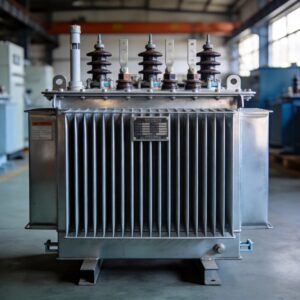
Bei der Wärmeableitung geht es um die Ableitung von Wärme aus dem Transformator. Dies wird durch die Konstruktion des Transformators selbst und seines Kühlsystems erreicht. Eine effiziente Wärmeableitung ist entscheidend, um eine Überhitzung zu verhindern und die Lebensdauer des Transformators zu verlängern.
Schlussfolgerung
Das Verständnis und die Steuerung der Wärmebelastung in Trockentransformatoren sind für deren effizienten und sicheren Betrieb von entscheidender Bedeutung. Durch eine effektive Analyse der Wärmebelastung, ein optimales Wärmemanagement und den Einsatz geeigneter Kühlsysteme können Transformatoren ihre optimale Leistung entfalten, wodurch die mit einer Überhitzung verbundenen Risiken minimiert werden.
Indem sie sich über diese Faktoren auf dem Laufenden halten und proaktiv darauf reagieren, können Betreiber die Langlebigkeit und Zuverlässigkeit ihrer Transformatoren sicherstellen, was letztlich zu sichereren und effizienteren elektrischen Anlagen führt. Ganz gleich, ob Sie an der Planung, Installation oder Wartung von Transformatoren beteiligt sind – das Verständnis dieser Konzepte ist der Schlüssel zum Erfolg.

 English
 Français
 Español
 Deutsch