
In der sich rasant entwickelnden Welt der Elektrotechnik, wo Präzision und Effizienz über Erfolg entscheiden, kann die Wahl des richtigen Transformatorkernmaterials einem komplexen Labyrinth gleichen. Die Leistungsfähigkeit Ihres Transformators hängt maßgeblich von dieser wichtigen Entscheidung ab, die Energieeffizienz, Wirtschaftlichkeit und Zuverlässigkeit entscheidend beeinflussen kann. Stellen Sie sich vor, welches Potenzial ein Transformatorkernmaterial bietet, das nicht nur die Leistung steigert, sondern auch Energieverluste reduziert. Dies ist keine bloße Möglichkeit – es ist Realität, die darauf wartet, genutzt zu werden.
Bedenken Sie Folgendes: Laut aktuellen Studien kann die Optimierung des Transformatorkernmaterials zu Energieeinsparungen von bis zu 301 TW führen. Allein diese Zahl verdeutlicht das enorme, ungenutzte Potenzial jedes Transformators, das nur auf die richtige Kernwahl wartet. Die Suche nach dem idealen Kernmaterial mag zwar zunächst schwierig erscheinen, doch das Verständnis der wesentlichen Eigenschaften und Vorteile jeder Option kann den Weg für bahnbrechende Ergebnisse ebnen. Tauchen wir tiefer in dieses Thema ein und begeben wir uns auf eine Reise, die Ihre Sichtweise und Nutzung elektrischer Systeme revolutionieren könnte.

Transformatorenkernmaterialien verstehen
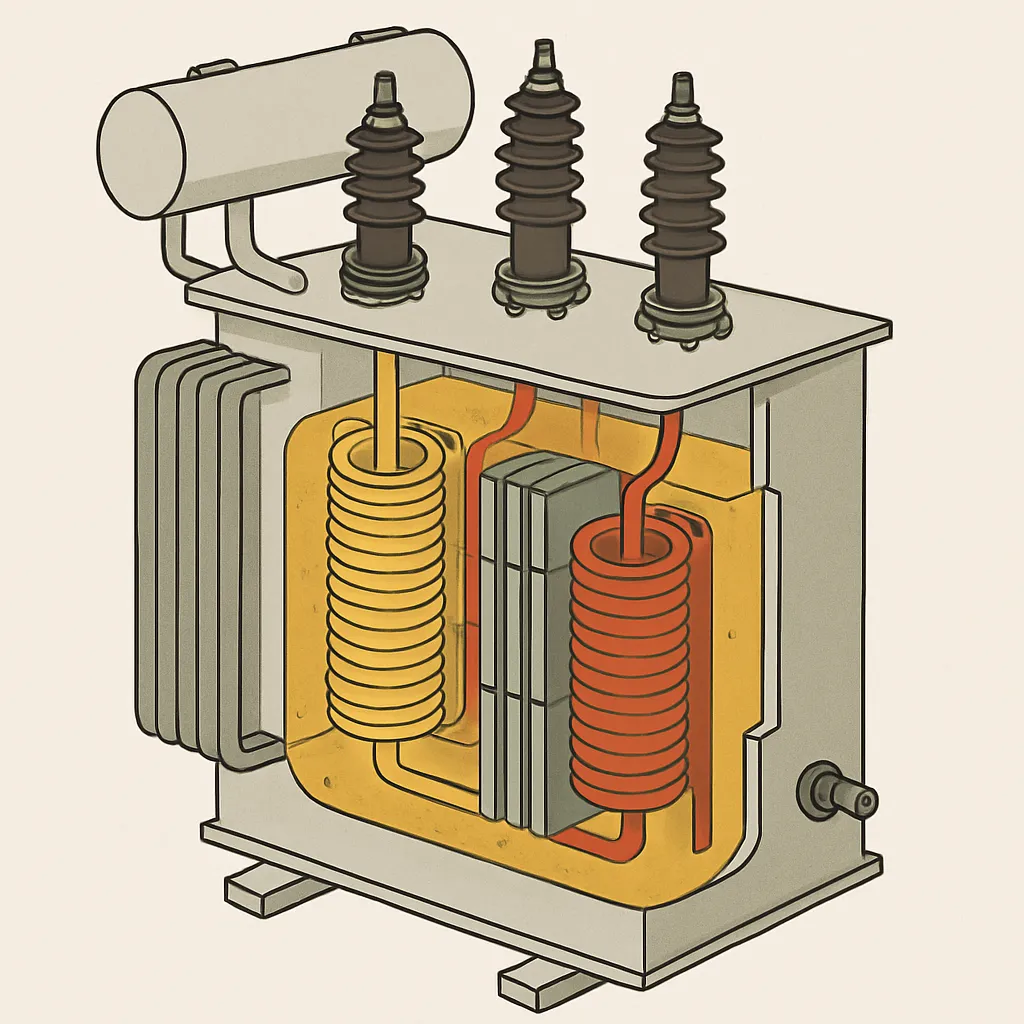
Das Kernmaterial eines Transformators bildet dessen magnetisches Rückgrat und lenkt den magnetischen Fluss zwischen den Wicklungen. Wichtige Eigenschaften wie magnetische Permeabilität, Sättigungsflussdichte und Hystereseverhalten werden durch die Zusammensetzung des Kerns bestimmt. Materialien mit hoher Permeabilität ermöglichen den Durchgang magnetischer Feldlinien mit minimalem magnetischem Widerstand und somit einen effizienten Energietransfer zwischen Primär- und Sekundärwicklung. Umgekehrt reduzieren Materialien mit geringen Hystereseverlusten die während jedes Magnetisierungs- und Entmagnetisierungszyklus als Wärme abgegebene Energie, was für Anwendungen, die einen Dauerbetrieb über längere Zeiträume erfordern, entscheidend ist.
Konstruktionstechniken wie Laminierung und Kornorientierung optimieren die Eigenschaften von Transformatorkernmaterialien. Dünne, mit Isolierschichten beschichtete Laminierungen mindern Wirbelströme und reduzieren so die I²R-Verluste drastisch. Kornorientiertes Elektroblech beispielsweise richtet seine Kristallstruktur entlang der Walzrichtung aus, optimiert den magnetischen Fluss und senkt die Kernverluste. Das Verständnis dieser Feinheiten ist entscheidend für die Auswahl eines Transformatorkernmaterials, das Kosten, mechanische Festigkeit und thermische Stabilität für Ihre spezifische Anwendung optimal vereint.
Gängige Arten von Transformatorkernmaterialien
Im Laufe der Zeit haben sich mehrere Kernwerkstoffe durchgesetzt, die jeweils spezifische Vorteile und Nachteile bieten. Siliziumstahl mit einem Siliziumgehalt von etwa 31 % ist der Standardwerkstoff der Industrie für Leistungstransformatoren, Aufgrund seiner geringen Kosten, hohen mechanischen Festigkeit und vergleichsweise niedrigen Hystereseverluste wird es geschätzt. Amorphe Metalllegierungen – glasartige Legierungen mit ungeordneter Atomstruktur – bieten noch geringere Kernverluste, allerdings auf Kosten einer komplexeren Fertigung. Sie eignen sich hervorragend für Verteiltransformatoren, bei denen die Leerlaufverluste die Betriebskosten maßgeblich bestimmen.
Ferrite, keramische Verbindungen aus Eisenoxid und Metallelementen wie Mangan oder Zink, finden Anwendung in Hochfrequenztransformatoren für Schaltnetzteile. Ihr hoher spezifischer Widerstand eliminiert Wirbelströme im Bereich von zehn bis hundert Kilohertz nahezu vollständig und gewährleistet so einen effizienten Betrieb. Nanokristalline Legierungen, die sich als Hybridlösung etablieren, vereinen geringe Hysterese und Wirbelstromverluste bei mittleren Frequenzen, sind jedoch teurer. Jede dieser Optionen für Transformatorkernmaterialien muss hinsichtlich Leistungsanforderungen, Betriebsfrequenz und Budgetbeschränkungen sorgfältig abgewogen werden, um die optimale Auslegung zu gewährleisten.
Faktoren, die die Auswahl des Kernmaterials beeinflussen
Die Wahl des richtigen Transformatorkernmaterials erfordert eine sorgfältige Analyse von Betriebsfrequenz, Temperaturbereich, mechanischen Belastungen und Kosten. Die Frequenz ist von entscheidender Bedeutung: Siliziumstahl ist bei 50–60 Hz die erste Wahl, während Ferrite oberhalb von 20 kHz dominieren. Die thermische Leistungsfähigkeit ist ebenso wichtig, da höhere Betriebstemperaturen die magnetischen Eigenschaften beeinträchtigen können. Materialien mit einem hohen Curie-Punkt tragen dazu bei, die Permeabilität unter thermischer Belastung aufrechtzuerhalten. Auch die mechanische Festigkeit ist wichtig – dünne Bleche müssen Stapeln, Stanzen oder Wickeln ohne Risse standhalten.
Die Kosten spielen weiterhin eine entscheidende Rolle: Zwar bieten moderne Werkstoffe wie amorphe oder nanokristalline Legierungen eine außergewöhnlich geringe Verlustleistung, doch müssen die höheren Rohstoff- und Verarbeitungskosten den verbesserten Wirkungsgrad über die gesamte Lebensdauer des Transformators rechtfertigen. Umweltfaktoren wie Luftfeuchtigkeit und korrosive Atmosphären können ebenfalls den Bedarf an Schutzbeschichtungen oder inhärent korrosionsbeständigen Werkstoffen bedingen. Die Berücksichtigung dieser Faktoren gewährleistet, dass der gewählte Transformatorkernwerkstoff die Leistungsziele erfüllt, ohne die Investitions- und Wartungskosten in die Höhe zu treiben.
Vergleich der Kernmaterialien hinsichtlich Effizienz und Leistung
Bei der vergleichenden Bewertung verschiedener Kernmaterialien für Transformatoren sind Kernverluste (Summe aus Hysterese- und Wirbelstromverlusten), Magnetisierungseigenschaften und thermische Stabilität entscheidende Kriterien. Kornorientierter Siliziumstahl weist typischerweise Kernverluste im Bereich von 1–2 W/kg bei 1,7 T und 60 Hz auf und gilt daher als Referenzmaterial für Leistungstransformatoren. Amorphe Legierungen reduzieren die Kernverluste im Vergleich zu Siliziumstahl um 60–70 µT/kg, was zu erheblichen Energieeinsparungen im Leerlauf führt. Ihre geringere Sättigungsflussdichte begrenzt jedoch den maximalen Fluss, wodurch für gleiche Nennleistungen größere Kerne erforderlich sind.
Ferrite und nanokristalline Werkstoffe spielen ihre Stärken im Hochfrequenzbereich aus: Ferrite bewältigen Frequenzen von mehreren zehn Kilohertz bis zu mehreren Megahertz mit minimalen Wirbelströmen, während nanokristalline Legierungen die Lücke im Bereich weniger Kilohertz mit besseren Sättigungsgrenzen schließen. Beim Vergleich sollten auch Größe und Gewicht berücksichtigt werden: Hochleistungswerkstoffe ermöglichen oft kompaktere Kernkonstruktionen, was bei beengten Platzverhältnissen von Vorteil ist. Letztendlich erfordert die Auswahl des geeignetsten Transformatorkernmaterials eine ganzheitliche Betrachtung von Effizienz, Leistungsbereich und Systemauswirkungen.
Einfluss des Kernmaterials auf die Energieverluste
Energieverluste im Transformatorkern Die Verluste lassen sich in zwei Hauptkategorien einteilen: Hystereseverluste, die durch die kontinuierliche Magnetisierungsumkehr verursacht werden, und Wirbelstromverluste, die durch in leitfähigem Material induzierte Ströme entstehen. Die Materialeigenschaften des Transformatorkerns – wie Koerzitivfeldstärke und spezifischer elektrischer Widerstand – beeinflussen diese Verluste direkt. Materialien mit niedriger Koerzitivfeldstärke reduzieren den Energieverlust pro magnetischem Zyklus, während ein hoher spezifischer elektrischer Widerstand die Bildung von Wirbelströmen hemmt. Die Optimierung dieser Eigenschaften ist entscheidend, um die Wärmeentwicklung zu minimieren und den Gesamtwirkungsgrad zu verbessern.
Die Laminierung des Kerns in dünne, voneinander isolierte Bleche reduziert Wirbelstromzirkulationen deutlich, insbesondere bei Siliziumstahlkernen. Moderne Werkstoffe wie amorphe und nanokristalline Legierungen weisen von Natur aus einen höheren spezifischen Widerstand und einzigartige Mikrostrukturen auf, die Wirbelströme dämpfen und Hystereseverluste weiter reduzieren. Durch die sorgfältige Auswahl und Entwicklung des Transformatorkernmaterials können Konstrukteure die Kernverluste drastisch senken. Dies führt zu Transformatoren, die kühler laufen, eine längere Lebensdauer haben und über ihre gesamte Nutzungsdauer zu erheblichen Energieeinsparungen beitragen.
Fazit: Maximierung von Effizienz und Leistung durch das richtige Kernmaterial
Die Wahl des optimalen Transformatorkernmaterials ist eine entscheidende Frage, die Effizienz, Zuverlässigkeit und langfristige Kosteneinsparungen maßgeblich beeinflusst. Durch das Verständnis der magnetischen Eigenschaften, Verlustmechanismen und anwendungsspezifischen Anforderungen können Ingenieure das Material identifizieren, das die höchste Leistung erbringt.
Ob Sie sich für konventionellen kornorientierten Stahl, verlustarme amorphe Legierungen oder spezielle Ferrite entscheiden – das richtige Transformatorkernmaterial wandelt Potenzial in spürbare Energieeinsparungen um. Investieren Sie klug, um diese Vorteile zu nutzen und Ihre elektrischen Systeme effizienter und nachhaltiger zu gestalten.

 English
 Français
 Español
 Deutsch