
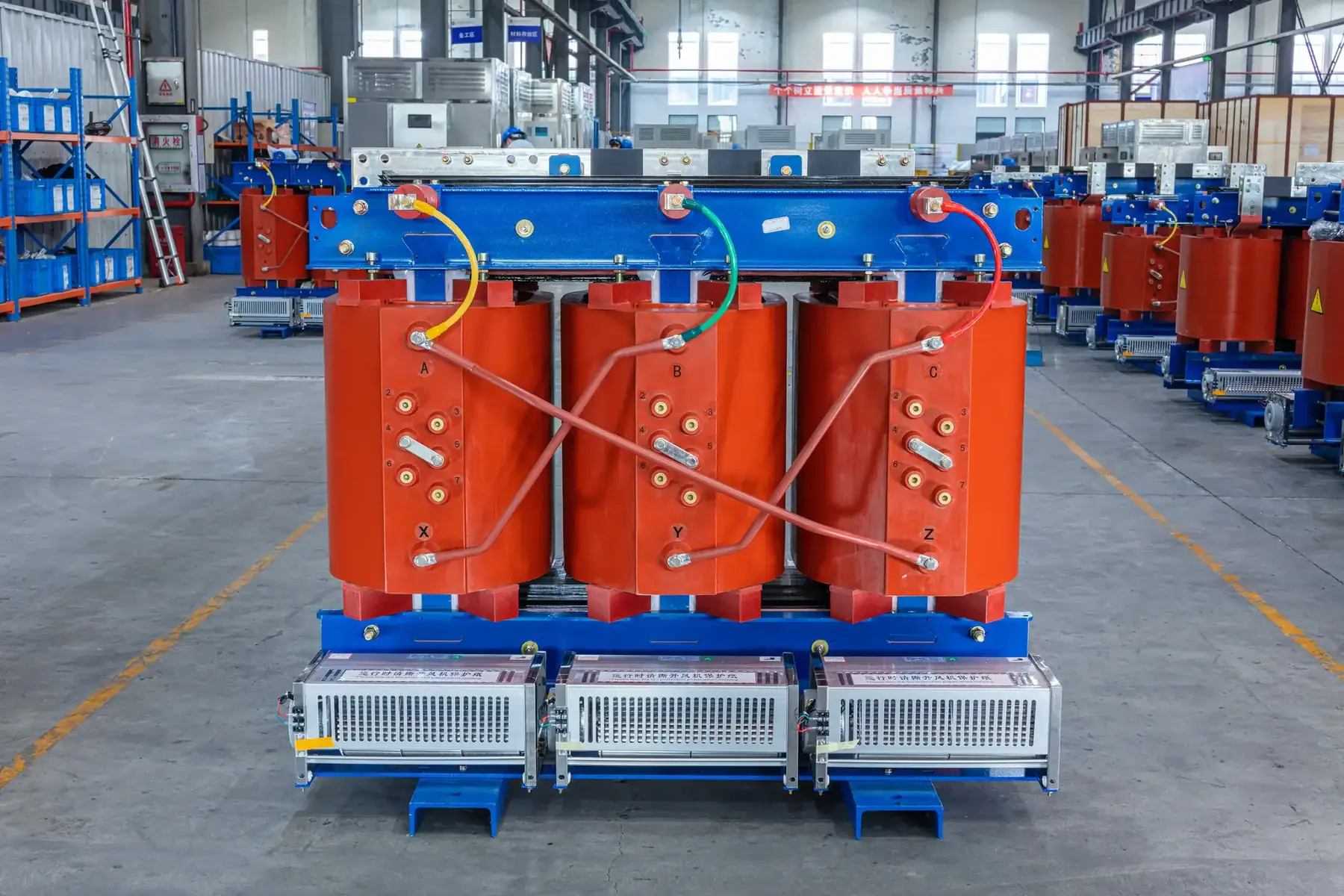
Dans le domaine du génie électrique, les transformateurs sont des composants indispensables qui facilitent le transport et la distribution efficaces de l'énergie électrique. Ils jouent un rôle de médiateurs, ajustant les niveaux de tension aux différentes étapes de la distribution d'énergie, garantissant ainsi que l'électricité parvienne aux utilisateurs finaux de manière sûre et efficace. Parmi les divers types de transformateurs disponibles, les transformateurs à noyau sec se distinguent par leur sécurité, leur fiabilité et leurs performances supérieures. Ces transformateurs sont de plus en plus privilégiés pour une large gamme d'applications, des infrastructures commerciales et complexes industriels aux projets d'énergies renouvelables, grâce à leurs avantages uniques qui répondent aux exigences modernes.

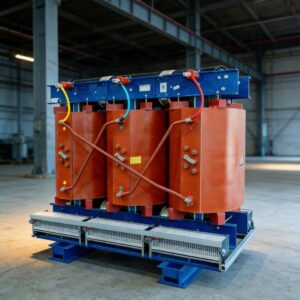
Les transformateurs à noyau sec se distinguent des transformateurs traditionnels à bain d'huile par l'utilisation de l'air comme principal fluide de refroidissement, au lieu de l'huile. Ce choix de conception permet d'obtenir un transformateur non seulement plus sûr, mais aussi plus respectueux de l'environnement, car il élimine les risques de déversements d'huile et les risques d'incendie associés. construction de ces transformateurs Il comprend un noyau et un enroulement ; le noyau est fabriqué à partir de tôles d'acier laminées, tandis que les enroulements sont réalisés avec des fils de cuivre ou d'aluminium. Cette conception fondamentale favorise non seulement la sécurité, mais améliore également le rendement du transformateur.
Éléments clés
- Noyau du transformateur : souvent considéré comme le cœur du transformateur, le noyau joue un rôle essentiel dans son fonctionnement. Fabriqué en acier au silicium de haute qualité, il est conçu pour transporter le flux magnétique avec des pertes d’énergie minimales, optimisant ainsi le rendement.
- Bobinage du transformateur : C’est au niveau du bobinage que s’effectue le transfert d’énergie électrique. Composé de fils de cuivre ou d’aluminium isolés, ce bobinage est essentiel pour définir les caractéristiques électriques du transformateur.
Avantages de l'utilisation de transformateurs à noyau sec
Sécurité renforcée
Le principal avantage des transformateurs à noyau sec réside dans leur sécurité intrinsèque. L'absence d'huile comme agent de refroidissement réduit considérablement les risques de fuites d'huile et les risques d'incendie qui en découlent, souvent associés aux transformateurs traditionnels immergés. Ils sont ainsi particulièrement adaptés aux installations intérieures, où la sécurité est primordiale, comme dans les bâtiments commerciaux et résidentiels. L'absence d'huile diminue non seulement les risques d'incendie, mais simplifie également la mise en conformité avec les normes de sécurité, ce qui en fait une option intéressante pour les projets soucieux de la sécurité.
Respect de l'environnement
À l'heure où le développement durable est un enjeu majeur, les transformateurs secs constituent une alternative plus écologique. N'utilisant pas d'huile, ils évitent les risques de dommages écologiques liés aux déversements d'hydrocarbures. Cette approche s'inscrit dans les efforts mondiaux visant à réduire l'impact environnemental et à adopter des pratiques durables. Face à la demande croissante des industries et des gouvernements du monde entier pour des solutions plus respectueuses de l'environnement, les avantages environnementaux des transformateurs secs en font un choix privilégié pour les projets et initiatives écoresponsables.
Peu d'entretien

Un avantage significatif des transformateurs à noyau sec est la réduction de leurs besoins de maintenance. Contrairement aux transformateurs immergés dans l'huile, qui nécessitent une surveillance régulière du niveau d'huile et des fuites potentielles, les transformateurs à noyau sec éliminent ces problèmes. Il en résulte une diminution des coûts et des efforts de maintenance tout au long de la durée de vie du transformateur. Cette réduction des besoins de maintenance permet non seulement de diminuer les coûts d'exploitation, mais aussi de minimiser les temps d'arrêt, garantissant ainsi que distribution d'énergie demeure ininterrompu et efficace.
Haute fiabilité et durabilité
Conçus pour résister aux conditions environnementales difficiles et aux variations de température, les transformateurs à noyau sec offrent une fiabilité et une durabilité exceptionnelles. L'utilisation de matériaux de haute qualité pour la fabrication de leur noyau et de leurs bobines garantit des performances optimales sur le long terme, même dans des applications exigeantes. Leur conception robuste leur permet de supporter les contraintes physiques et électriques, ce qui en fait un choix fiable pour divers environnements, des installations industrielles aux projets d'énergies renouvelables.
Polyvalence et adaptabilité
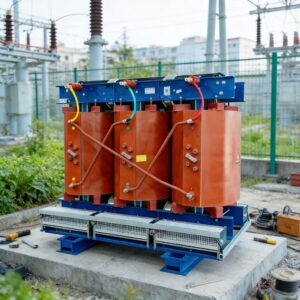
Les transformateurs à noyau sec se distinguent par leur polyvalence et leur adaptabilité, ce qui les rend adaptés à une vaste gamme d'applications. Ils peuvent être configurés pour les systèmes basse et haute tension, répondant ainsi à divers besoins en matière de distribution d'énergie. Leur flexibilité s'étend aux options d'installation, puisqu'ils peuvent être conçus pour les environnements intérieurs et extérieurs. Cette adaptabilité leur permet de répondre aux exigences spécifiques de différents projets, offrant une solution personnalisée pour relever les défis variés de la distribution d'énergie.
Fonctionnement plus silencieux
La pollution sonore est une préoccupation croissante dans de nombreux environnements, notamment en milieu urbain et résidentiel. Les transformateurs à noyau sec sont conçus pour fonctionner avec un minimum de bruit, ce qui les rend idéaux pour les lieux où le niveau sonore est un facteur important. Leur fonctionnement silencieux garantit qu'ils ne perturbent pas l'environnement, offrant ainsi un cadre de vie plus agréable aux personnes à proximité. Cette caractéristique est particulièrement avantageuse dans les immeubles de bureaux, les écoles et les zones résidentielles, où le maintien d'une atmosphère paisible est essentiel.
Types de transformateurs à noyau bobiné de type sec
Transformateur en résine coulée
Les transformateurs à résine coulée sont un type de transformateur sec très apprécié, reconnu pour sa robustesse et ses performances exceptionnelles. Grâce à l'encapsulation des enroulements dans de la résine époxy, ces transformateurs offrent une protection supérieure contre les agressions environnementales telles que l'humidité et la poussière. Cette encapsulation renforce leur durabilité et prolonge leur durée de vie, ce qui en fait un choix fiable pour les installations dans des environnements difficiles où d'autres transformateurs pourraient présenter des défaillances.
Noyau de transformateur VPI
Les transformateurs imprégnés sous vide (VPI) constituent une autre variante des transformateurs secs, reconnus pour leur isolation renforcée et leur robustesse mécanique. Le procédé VPI consiste à imprégner les bobines de vernis sous vide, ce qui accroît considérablement leur résistance aux contraintes environnementales et mécaniques. Ce procédé garantit la durabilité et la fiabilité des transformateurs VPI, les rendant particulièrement adaptés aux applications industrielles où la performance et la longévité sont des critères essentiels.
Applications des transformateurs à noyau sec
Bâtiments commerciaux et résidentiels
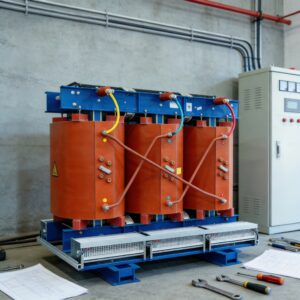
Dans les environnements commerciaux comme résidentiels, la sécurité et la réduction des besoins de maintenance sont essentielles. Les transformateurs à noyau sec répondent parfaitement à ces exigences grâce à leurs caractéristiques de sécurité incendie renforcées et à leurs exigences de maintenance réduites. Leur capacité à fonctionner en toute sécurité à l'intérieur des bâtiments, sans les risques associés aux transformateurs à bain d'huile, en fait un choix idéal pour ces environnements où la sécurité des occupants et le respect des normes de construction sont primordiaux.
Installations industrielles
Les installations industrielles nécessitent des transformateurs capables de supporter des charges importantes et de résister à des conditions difficiles. La durabilité et la grande fiabilité des transformateurs à sec en font une solution idéale pour ces environnements exigeants. Leur construction robuste leur permet de résister aux contraintes des applications industrielles, garantissant une distribution d'énergie constante et efficace aux opérations critiques, et contribuant ainsi à la productivité et à la croissance industrielles.
Projets d'énergie renouvelable
L'essor des énergies renouvelables a engendré un besoin accru de transformateurs performants et fiables, capables de s'intégrer aux systèmes éoliens et solaires. Les transformateurs à noyau sec sont de plus en plus utilisés dans ces projets en raison de leur adaptabilité et de leurs caractéristiques respectueuses de l'environnement. Leur conception s'inscrit pleinement dans les objectifs de développement durable des initiatives en faveur des énergies renouvelables, offrant un moyen fiable de distribution d'énergie et contribuant à la transition vers des sources d'énergie plus propres.
Considérations relatives au choix d'un transformateur à noyau sec
Lors du choix d'un transformateur, plusieurs facteurs doivent être pris en compte afin de garantir le choix optimal pour vos besoins spécifiques :
- Exigences de charge : Une compréhension précise des exigences de charge est essentielle pour choisir le bon équipement. taille et type du transformateur. Cela garantit que le transformateur peut supporter la demande prévue sans compromettre ses performances ni la sécurité.
- Environnement d'installation : L'environnement d'installation du transformateur (intérieur ou extérieur) influe sur le type d'enveloppe et le niveau de protection requis. Ce facteur est essentiel pour garantir la longévité et la fiabilité du transformateur dans son environnement d'exploitation.
- Rendement : L’évaluation du rendement du transformateur est essentielle pour réaliser des économies d’énergie et réduire les coûts d’exploitation tout au long de sa durée de vie. Un rendement élevé contribue à une consommation d’énergie moindre et à une durabilité accrue.
- Budget : Bien que les transformateurs secs présentent un coût initial plus élevé que les transformateurs à bain d’huile, leurs coûts de maintenance réduits et leur durée de vie plus longue peuvent engendrer des économies substantielles à long terme. Une analyse coûts-avantages approfondie vous permettra de déterminer la meilleure option financière pour votre projet.
Conclusion
Les transformateurs à noyau sec offrent de nombreux avantages qui en font un choix de premier ordre pour diverses applications. De leur sécurité accrue et leurs atouts écologiques à leur fiabilité et leur polyvalence, ces transformateurs répondent pleinement aux besoins des systèmes électriques modernes. Que ce soit pour des applications commerciales, industrielles ou liées aux énergies renouvelables, il est essentiel de comprendre les avantages des transformateurs à noyau sec pour prendre des décisions éclairées concernant les solutions de distribution d'énergie.
L'intégration de ces transformateurs à vos projets permet d'améliorer l'efficacité, de réduire les coûts de maintenance et de garantir un environnement d'exploitation plus sûr. Investissement visionnaire, les transformateurs à noyau sec répondent aux exigences évolutives du réseau de distribution électrique actuel et constituent un choix judicieux pour un avenir énergétique durable et fiable.

 English
 Français
 Español
 Deutsch