
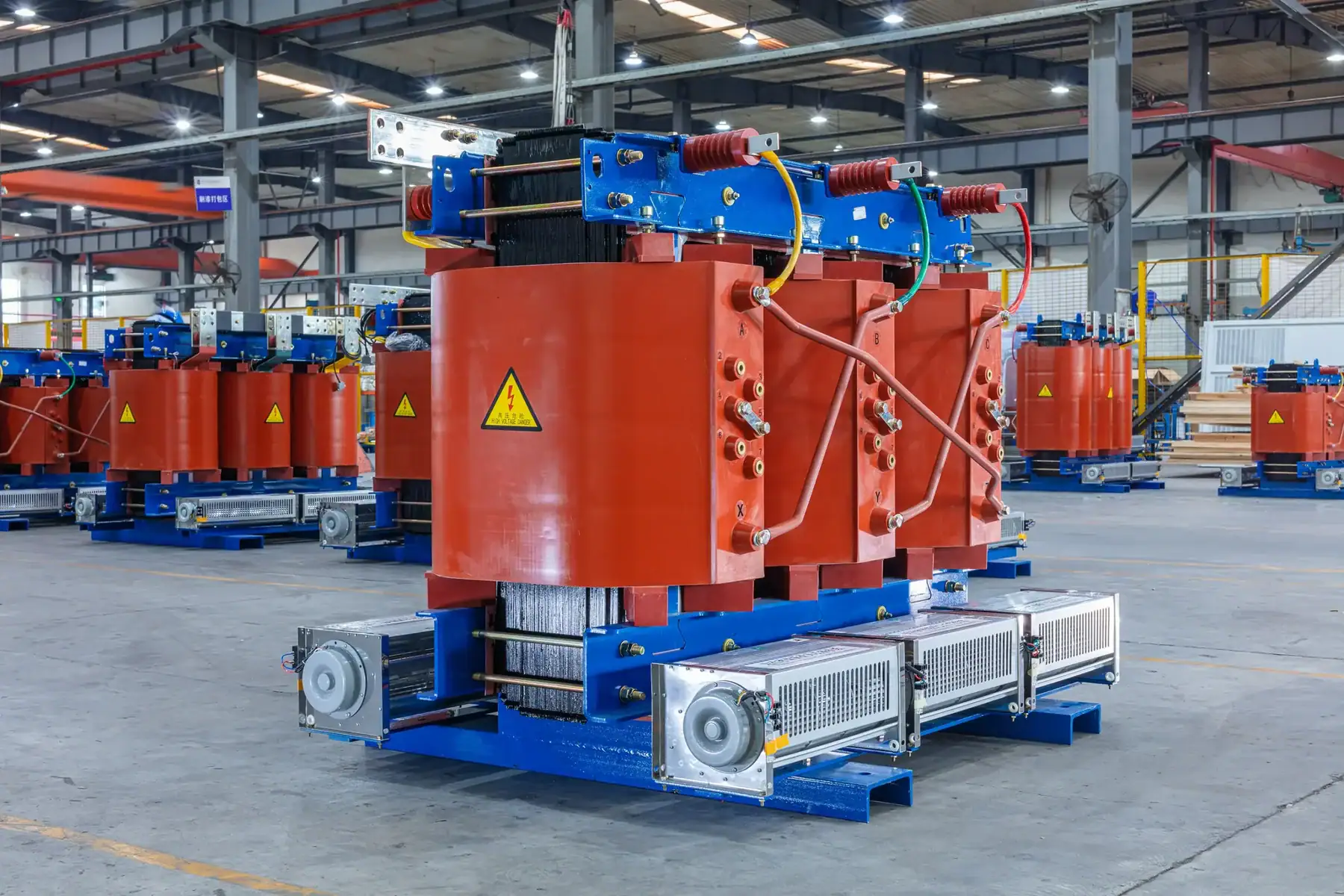
Imaginez investir dans un équipement pour ensuite découvrir qu'il ne fonctionne pas comme prévu, entraînant des pannes coûteuses et des temps d'arrêt frustrants. C'est une réalité à laquelle beaucoup sont confrontés lorsqu'ils ne choisissent pas les bons partenaires, notamment en matière de transformateurs secs. Ces transformateurs jouent un rôle crucial dans de nombreux secteurs industriels en convertissant et en distribuant l'énergie de manière efficace, sûre et fiable. Compte tenu de leur importance, choisir le bon fabricant n'est pas une simple préférence, mais une nécessité pour garantir le bon fonctionnement de vos opérations.
Dans cet article, nous analysons en détail les facteurs qui font la fiabilité d'un fabricant de transformateurs secs. Nous examinerons les critères essentiels à prendre en compte, de la capacité d'innovation en matière de conception à un service client performant. Que vous soyez dans le secteur de l'énergie ou à la tête d'une installation industrielle, choisir le bon partenaire vous permettra de réaliser des investissements rentables, synonymes de performance et de sérénité. Rejoignez-nous pour découvrir les éléments fondamentaux qui distinguent les fabricants moyens de ceux qui excellent et offrent une valeur ajoutée inégalée.
Comprendre l'importance de choisir le bon fabricant de transformateurs à sec
Choisir le bon fabricant de transformateurs secs est essentiel à la fiabilité de tout système de distribution électrique. Un mauvais choix peut entraîner des performances insuffisantes, des coûts de maintenance imprévus et des arrêts de production critiques. Un fabricant réputé propose non seulement des produits conformes aux normes industrielles, mais aussi une expertise en ingénierie et un savoir-faire technique permettant de concevoir des solutions sur mesure, parfaitement adaptées à vos besoins.
Lors de l'évaluation des fabricants, commencez par examiner attentivement leurs processus de conception, l'approvisionnement en matériaux et leurs mesures de contrôle qualité. Un fabricant de transformateurs secs de premier plan utilisera des matériaux d'isolation de pointe, des techniques d'enroulement précises et des protocoles de test rigoureux pour garantir une efficacité et une longévité optimales. En comprenant les subtilités techniques de la conception des transformateurs, vous pourrez identifier les partenaires engagés dans la fabrication d'équipements robustes et performants.
Au-delà des considérations techniques, examinez comment les fabricants gèrent la personnalisation et l'évolutivité. Les secteurs d'activité évoluent et vos besoins en énergie peuvent croître. Un partenaire proposant des options de conception flexibles – telles que des tensions nominales variables, des boîtiers spécialisés et une installation simplifiée – garantit la pérennité et l'adaptabilité de votre investissement. En définitive, le bon fabricant saura non seulement répondre à vos besoins actuels, mais aussi anticiper vos exigences futures.
Importance des services d'assistance à la clientèle pour la fiabilité à long terme
Un service client exceptionnel est un critère de choix essentiel pour un fabricant de transformateurs secs. Même les équipements les plus fiables peuvent rencontrer des problèmes au cours de leur durée de vie. Un support réactif garantit une prise en charge rapide des pannes, du remplacement des pièces et de la maintenance, minimisant ainsi les pertes de production et assurant un fonctionnement continu.
Évaluez les services proposés par le fabricant, tels que les contrats de maintenance préventive, la surveillance à distance et l'assistance technique sur site. Les fabricants disposant d'un réseau d'assistance performant peuvent planifier des inspections régulières, identifier les pannes potentielles avant qu'elles ne s'aggravent et assurer un service de réparation rapide. Cette approche proactive prolonge la durée de vie de votre transformateur et protège vos installations contre les arrêts imprévus.
La formation et la documentation sont tout aussi essentielles. Un fabricant qui fournit des manuels d'utilisation complets, des formations pour ses techniciens internes et un accès à des ressources en ligne permet à votre équipe d'effectuer les contrôles de routine et le dépannage de base en toute autonomie. En collaborant avec un fabricant qui investit dans la formation de ses clients et son infrastructure de support, vous garantissez une fiabilité à long terme et une tranquillité d'esprit.
Analyse de la réputation et des antécédents dans le secteur
La réputation d'un fabricant est un indicateur précieux de sa fiabilité et de la qualité de ses produits. Commencez par consulter les avis du secteur, les études de cas et les témoignages clients. Un fabricant de transformateurs secs établi de longue date sur le marché aura probablement perfectionné ses processus, optimisé la conception de ses produits et démontré sa capacité à tenir ses engagements.
Les certifications et la conformité aux normes internationales, telles que IEC, IEEE et UL, sont de solides indicateurs de l'engagement d'un fabricant envers la qualité. Assurez-vous que l'entreprise respecte ces réglementations et participe à des programmes d'amélioration continue. Demandez également des références concernant des projets similaires au vôtre. Échanger directement avec d'anciens clients peut vous fournir des données concrètes sur les performances, les difficultés rencontrées lors de l'installation et leur niveau de satisfaction global.
Un autre facteur à prendre en compte est la stabilité financière et la capacité à assurer un soutien à long terme. Les fabricants qui réinvestissent leurs bénéfices dans la R&D, la modernisation de leurs installations et la formation de leur personnel font preuve d'une vision à long terme. Cette santé financière se traduit souvent par des cycles d'innovation plus rapides, des délais de livraison plus courts et une disponibilité constante des produits, garantissant ainsi la continuité de vos opérations en cas de rupture d'approvisionnement.
Mise en œuvre des contrôles d'assurance qualité et des procédures de test
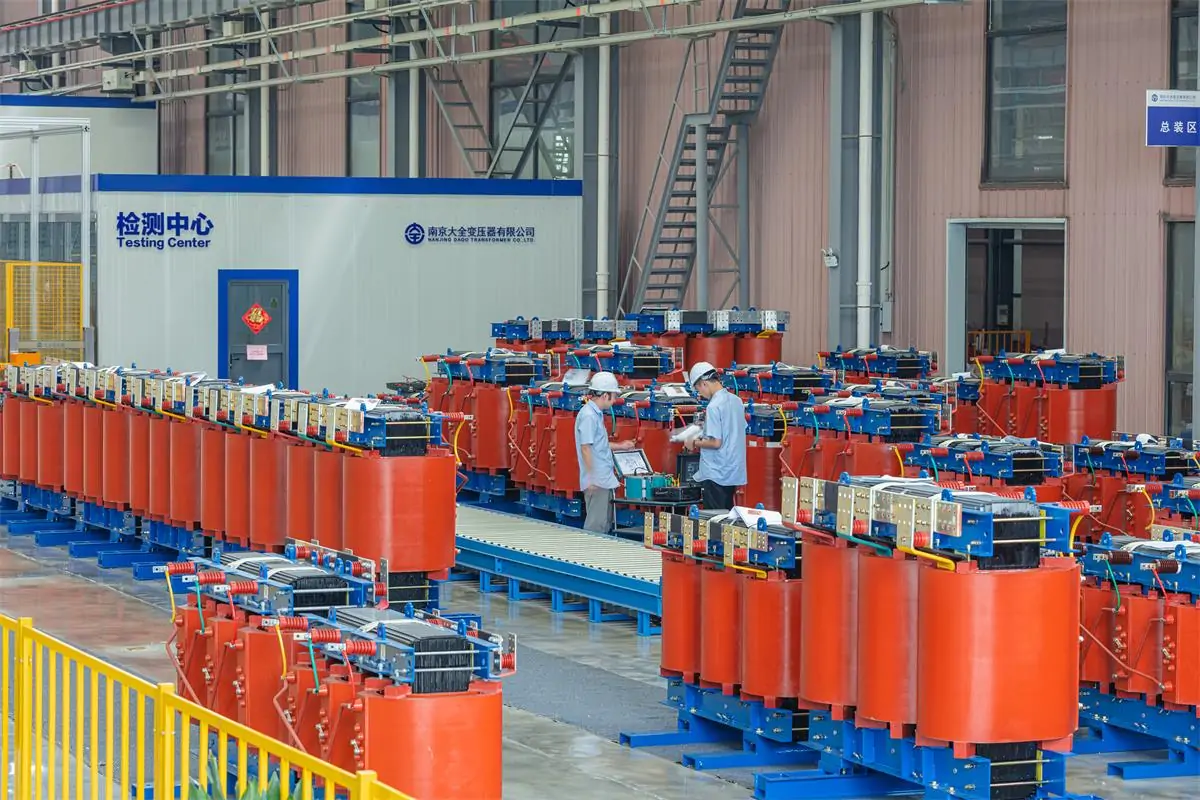
L'assurance qualité et les tests rigoureux sont essentiels à la fiabilité des transformateurs. Avant la production, il convient d'évaluer les protocoles de tests d'acceptation en usine (FAT) du fabricant. Ces tests vérifient des paramètres tels que la résistance d'isolement, la résistance d'enroulement et les rapports de tension sous des conditions de charge simulées, garantissant ainsi que chaque unité réponde aux spécifications les plus strictes.
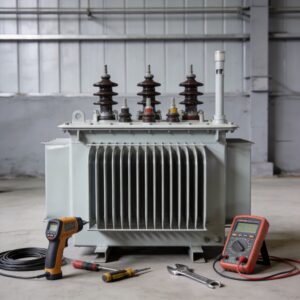
Outre les tests d'acceptation en usine (FAT), les essais sur site après installation, appelés tests de réception sur site (SAT), confirment l'intégration parfaite du transformateur à votre système. Assurez-vous que le fabricant effectue des inspections approfondies, incluant l'imagerie thermique pour détecter les points chauds, des mesures de décharges partielles pour déceler les défauts d'isolation et des contrôles du niveau sonore pour garantir la conformité aux normes acoustiques.
Des audits réguliers du système de gestion de la qualité (SGQ) du fabricant témoignent de son engagement constant envers l'excellence. Recherchez la certification ISO 9001, qui impose la documentation des processus, les procédures d'actions correctives et un suivi continu. La mise en œuvre de ces contrôles et procédures d'assurance qualité garantit non seulement les performances immédiates de votre transformateur, mais aussi sa fiabilité tout au long de sa durée de vie.
Conclusion : Prendre une décision éclairée pour une performance optimale
Choisir le bon fabricant de transformateurs secs exige une recherche approfondie portant sur ses compétences techniques, son service client, sa réputation et ses protocoles d'assurance qualité. En vous concentrant sur ces aspects essentiels, vous vous associez à un partenaire qui privilégie la performance, la fiabilité et un partenariat durable.
En définitive, une évaluation approfondie vous garantit d'investir dans des transformateurs qui fournissent une alimentation électrique constante, minimisent les temps d'arrêt et offrent des solutions évolutives pour accompagner votre croissance future. Faites le bon choix en vous associant à un fabricant qui garantit ses produits : vous aurez ainsi l'assurance d'une efficacité optimale.

 English
 Français
 Español
 Deutsch