Transformers are essential components in power distribution and management systems. They come in various types, each suited for specific applications. Among these, the dry type transformer stands out for several reasons. This article explores the advantages of transformer dry type technology, emphasizing its safety, efficiency, and versatility.

Dry type transformers, as the name suggests, do not use liquid insulation. Instead, they rely on air or a vacuum to cool the system. There are different dry type transformer types, including cast resin transformers and air-cooled transformers. These transformers are designed to operate efficiently in various environments, providing reliable power distribution without the risks associated with liquid-filled transformers.
Types of Dry Type Transformers
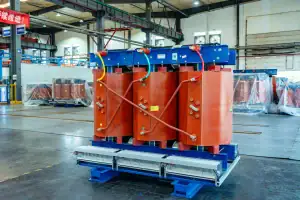
- Cast Resin Transformer: This type uses epoxy resin to insulate the windings. It’s known for its durability and ability to withstand harsh environmental conditions. Cast resin transformers are often used in indoor applications where safety and fire resistance are paramount.
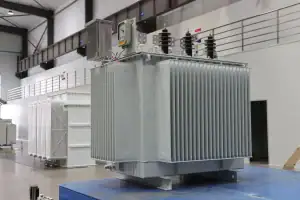
- Air Cooled Transformer: Also known as ventilated dry type transformers, these use air circulation to cool the windings. They are typically used in locations where space and ventilation are adequate to ensure proper cooling.
- Low Voltage Dry Type Transformer: These are specifically designed for applications requiring lower voltage. They are suitable for commercial and residential buildings, providing safe and efficient power distribution.
Advantages of Dry Type Transformers
Safety Features
One of the most significant advantages of dry type transformers is their enhanced safety. Since they do not use oil or any other liquid coolant, there’s no risk of leaks or spills, which can lead to fires or environmental hazards. This makes them an ideal choice for indoor installations, particularly in public buildings and spaces where safety is a top priority.
Environmentally Friendly
Dry type transformers are more environmentally friendly compared to their oil-filled counterparts. The absence of oil eliminates the risk of soil and water contamination due to leaks. Furthermore, many components of dry type transformers are recyclable, contributing to a more sustainable power distribution solution.
Maintenance and Reliability
Maintenance is another area where dry type transformers excel. They require less maintenance compared to oil-filled transformers because there are no oil levels to check or leaks to monitor. The robust construction of dry type transformers, especially cast resin transformers, enhances their reliability and lifespan, reducing downtime and maintenance costs.
Versatile Applications
Dry type transformers are versatile and can be used in a wide range of applications. From industrial plants and commercial buildings to renewable energy projects, they can handle diverse power distribution needs. Their ability to operate in challenging environments, such as high humidity or extreme temperatures, without compromising performance is a significant advantage.
Space and Installation Flexibility
These transformers are compact and can be installed in spaces where oil-filled transformers might not fit. Their design allows for installation closer to the load, reducing the need for extensive cabling and improving energy efficiency. This flexibility is particularly beneficial in urban areas where space is limited.
Applications of Dry Type Transformers
Industrial and Commercial Use
In industrial and commercial settings, dry type transformers are used to step down voltage levels to a range suitable for machinery and equipment. Their safety features make them ideal for indoor environments, such as factories and shopping malls, where the risk of fire and environmental hazards needs to be minimized.
Renewable Energy
The renewable energy sector also benefits from dry type transformer technology. They are used in wind farms and solar power plants, where reliability and efficiency are crucial. Their ability to withstand harsh environmental conditions makes them well-suited for these applications.
Residential Buildings
In residential settings, low voltage dry type transformers are commonly used to ensure safe and efficient power distribution. Their compact size and safety features make them an excellent choice for apartment complexes and housing developments.

Comparing Dry Type and Oil-Filled Transformers
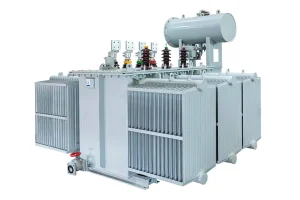
While both dry type and oil-filled transformers have their place in the power distribution network, each has distinct advantages. Oil-filled transformers are often used in outdoor applications due to their higher efficiency in managing large power loads. However, the safety and environmental benefits of dry type transformers make them the preferred choice for indoor and environmentally sensitive applications.
Efficiency and Performance
Dry type transformers offer reliable performance with minimal energy loss. They are designed to operate efficiently under various load conditions, making them suitable for fluctuating power demands. While oil-filled transformers may have a slight edge in efficiency, the difference is often negligible in applications where safety and environmental impact are more critical.
Cost Considerations
The initial cost of dry type transformers can be higher than that of oil-filled transformers. However, the reduced maintenance requirements and longer lifespan often result in lower total cost of ownership over time. Additionally, the peace of mind that comes with enhanced safety and environmental benefits can outweigh the upfront investment.
Conclusion
Transformer dry type technology offers numerous advantages, making it a viable and often preferred choice for modern power distribution needs. Its safety features, environmental benefits, and versatility in applications are unmatched. As industries and communities strive for more sustainable and safe power solutions, dry type transformers are poised to play a significant role in shaping the future of energy distribution.
Whether you’re involved in industrial operations, renewable energy projects, or residential developments, understanding the benefits of dry type transformers can help you make informed decisions about your power distribution needs. By leveraging this technology, you can ensure efficient, safe, and environmentally friendly power management.