
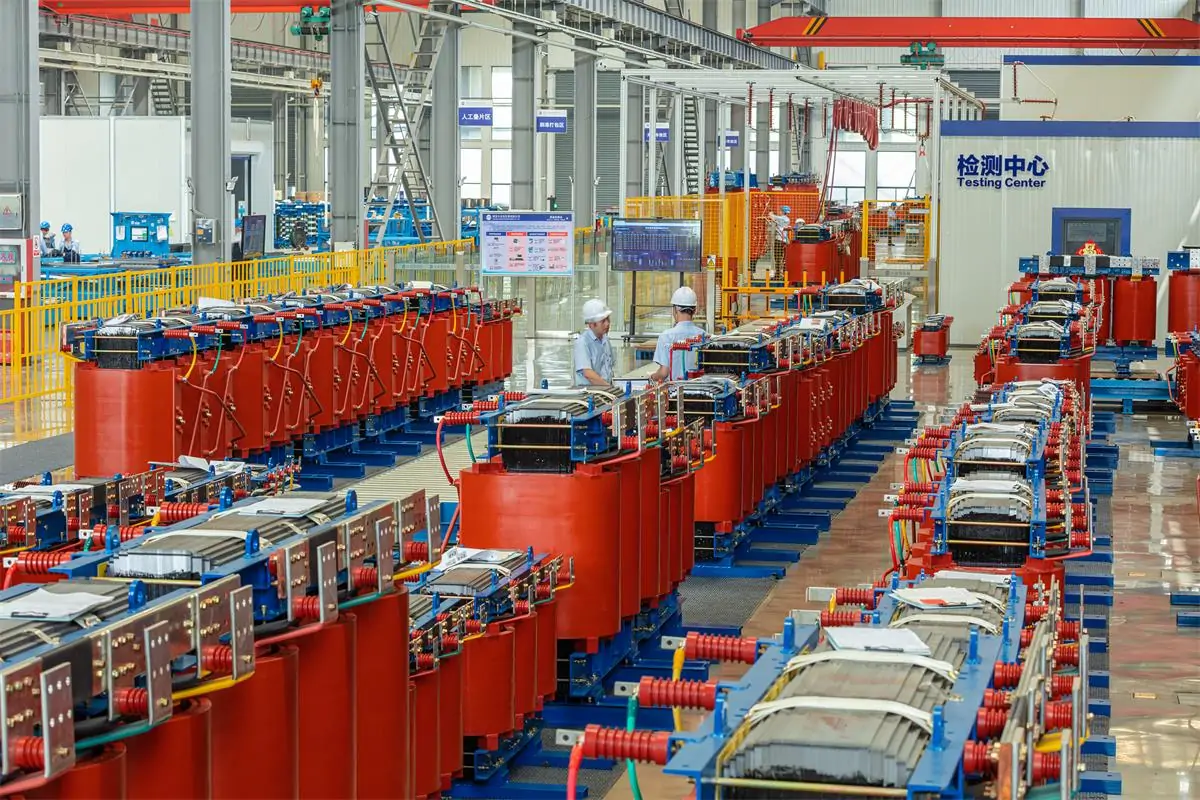
In der Elektrotechnik, insbesondere bei Transformatoren, ist die Temperaturkontrolle von entscheidender Bedeutung. Sie gewährleistet nicht nur die Effizienz, sondern verlängert auch die Lebensdauer der Geräte. Ein Wicklungstemperaturanzeiger ist ein unverzichtbares Werkzeug zur Überwachung des thermischen Zustands eines Trockentransformators. Dieser Artikel beleuchtet die Bedeutung von Wicklungstemperaturanzeigern und ihren Beitrag zur Sicherheit und Effizienz von Transformatoren.

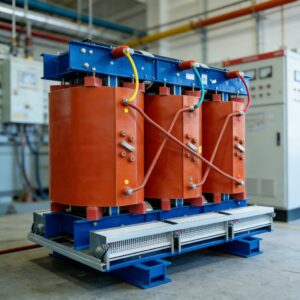
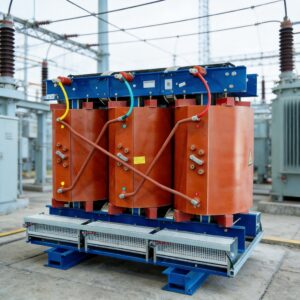
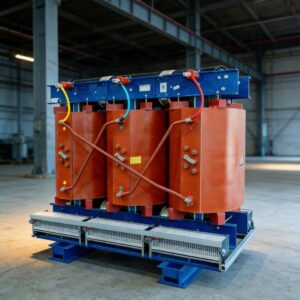
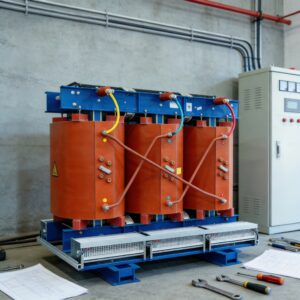
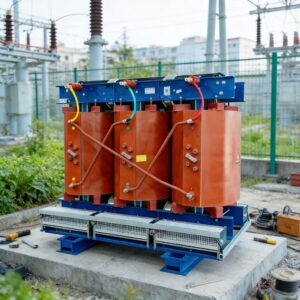
Trockentransformatoren nutzen im Gegensatz zu ölgefüllten Transformatoren Luft als Kühlmedium. Sie werden häufig in Innenräumen eingesetzt, wo Brandschutz eine wichtige Rolle spielt, da sie das Brandrisiko deutlich reduzieren. Durch ihre Bauweise benötigen sie kein Öl, was sie umweltfreundlicher und wartungsfreundlicher macht.
Da Trockentransformatoren jedoch nicht über die isolierenden und kühlenden Eigenschaften von Öl verfügen, benötigen sie ein effektives Temperaturmanagement, um eine Überhitzung zu vermeiden. Hier kommt der Wicklungstemperaturanzeiger zum Einsatz.
Die Rolle von Wicklungstemperaturindikatoren
Was ist ein Wicklungstemperaturanzeiger?
Ein Wicklungstemperaturanzeiger ist ein Gerät zur Messung der Temperatur der Transformatorwicklungen. Er ist eine wichtige Komponente für die Temperaturregelung und das Wärmemanagement des Transformators. Durch die Bereitstellung von Echtzeitdaten zur Wicklungstemperatur trägt dieses Gerät dazu bei, Schäden durch Überhitzung zu verhindern.
Wie funktioniert es?
Wicklungstemperaturanzeigen verwenden typischerweise Sensoren, die in der Nähe der Transformatorwicklungen angebracht sind. Diese Sensoren, häufig Thermoelemente oder Widerstandsthermometer (RTDs), erfassen die Temperatur und senden die Daten an die Anzeige. Die Anzeige zeigt dann die Temperatur an, sodass die Bediener sie kontinuierlich überwachen können.
Bedeutung des Wärmemanagements
Ein effektives Wärmemanagement ist für die Leistungsfähigkeit und Lebensdauer eines Transformators unerlässlich. Überhitzung kann zu Isolationsfehlern, verminderter Effizienz und letztendlich zum Ausfall des Transformators führen. Mithilfe eines Wicklungstemperaturanzeigers können die Bediener sicherstellen, dass der Transformator innerhalb sicherer Temperaturgrenzen arbeitet und somit seine Zuverlässigkeit und Lebensdauer erhöhen.

Vorteile von Wicklungstemperaturanzeigen
Erhöhte Sicherheit
Einer der Hauptvorteile der Verwendung eines Wicklungstemperaturanzeigers ist die erhöhte Sicherheit. Transformatoren sind kritische Bauteile in Stromverteilungssysteme, Ihr Ausfall kann zu erheblichen Störungen führen. Durch die Überwachung der Temperatur tragen diese Indikatoren dazu bei, potenzielle Gefahren durch Überhitzung, wie Brände oder Stromausfälle, zu verhindern.
Verbesserte Effizienz
Die Überwachung der Wicklungstemperatur ermöglicht es den Bedienern, die Leistung von Transformatoren zu optimieren. Durch die Gewährleistung, dass der Transformator innerhalb seines optimalen Temperaturbereichs arbeitet, wird die Effizienz verbessert, was zu geringeren Energieverlusten und niedrigeren Betriebskosten führt.
Verlängerte Lebensdauer des Transformators
Die regelmäßige Überwachung und Einhaltung der korrekten Temperatur verlängert die Lebensdauer eines Transformators. Überhitzte Wicklungen können die Isolierung beeinträchtigen und zu vorzeitiger Alterung des Transformators führen. Mithilfe einer Wicklungstemperaturanzeige können die Betreiber vorbeugende Maßnahmen ergreifen, um solche Probleme zu vermeiden.
Arten von Wicklungstemperaturanzeigen
Analoge Wicklungstemperaturanzeigen
Analoge Anzeigegeräte sind traditionelle Geräte, die mithilfe mechanischer Bauteile Temperaturmesswerte anzeigen. Sie sind einfach, zuverlässig und benutzerfreundlich. Allerdings bieten sie möglicherweise nicht die Präzision und den Funktionsumfang digitaler Anzeigegeräte.
Digitale Wicklungstemperaturanzeigen
Digitale Anzeigegeräte bieten im Vergleich zu analogen Geräten eine höhere Präzision und mehr Funktionen. Sie verfügen häufig über digitale Anzeigen, Alarmfunktionen und Datenprotokollierungsfunktionen. Einige fortschrittliche Modelle lassen sich sogar in Transformatorschutzgeräte und -systeme integrieren und ermöglichen so eine umfassende Überwachung und Steuerung.
Drahtlose Temperaturüberwachungssysteme
In den letzten Jahren haben drahtlose Temperaturüberwachungssysteme an Bedeutung gewonnen. Diese Systeme nutzen drahtlose Sensoren, um Temperaturdaten an eine zentrale Überwachungseinheit zu übertragen. Sie bieten den Vorteil der Fernüberwachung und lassen sich zur optimierten Transformatorensteuerung in größere Smart-Grid-Systeme integrieren.
Wichtige Überlegungen bei der Auswahl eines Wicklungstemperaturanzeigers
Genauigkeit und Zuverlässigkeit
Bei der Auswahl eines Wicklungstemperaturanzeigers sind Genauigkeit und Zuverlässigkeit von größter Bedeutung. Das Gerät sollte präzise Messwerte liefern, um eine effektive Überwachung und Steuerung zu gewährleisten.
Kompatibilität mit bestehenden Systemen
Stellen Sie sicher, dass die Temperaturanzeige mit den bestehenden Transformatorsystemen kompatibel ist. Sie sollte sich nahtlos in andere Schutzgeräte und Steuerungssysteme integrieren lassen, um ein umfassendes Management zu gewährleisten.
Einfache Installation und Wartung
Wählen Sie einen Wicklungstemperaturanzeiger, der einfach zu installieren und zu warten ist. Dies minimiert Ausfallzeiten und reduziert die Wartungskosten.
Kosten-Wirksamkeit
Erweiterte Funktionen sind zwar vorteilhaft, doch ist es wichtig, Kosten und Funktionalität in Einklang zu bringen. Wählen Sie ein Gerät, das die spezifischen Anforderungen Ihres Transformators erfüllt und gleichzeitig kostengünstig ist.
FAQ
Was ist der Temperaturindikator in Trockentransformatoren?
Eine Wicklungstemperaturanzeige überwacht die Temperatur der Transformatorwicklungen. Sie gewährleistet einen sicheren Betrieb durch Verhinderung von Überhitzung.
Warum ist ein Indikator wichtig?
Es trägt zur Erhöhung der Zuverlässigkeit und Lebensdauer von Trockentransformatoren bei. Darüber hinaus beugt es potenziellen Schäden durch übermäßige Hitze vor.
Wie funktioniert ein Wicklungstemperaturanzeiger?
Es nutzt Temperatursensoren, um Echtzeitdaten zur Wicklungstemperatur zu liefern. Warnmeldungen werden ausgelöst, wenn die Temperaturen sichere Grenzwerte überschreiten.
Wo ist der Wicklungstemperaturanzeiger eingebaut?
Typischerweise wird es in der Nähe der Wicklungen des Transformators installiert. Diese Position gewährleistet genaue Temperaturmesswerte für eine effektive Überwachung.
Schlussfolgerung
Zusammenfassend lässt sich sagen, dass Temperaturindikatoren eine entscheidende Rolle für die Sicherheit spielen. effizienter Betrieb von Trockentransformatoren. Durch die Bereitstellung von Echtzeitdaten zu den Wicklungstemperaturen tragen diese Geräte dazu bei, Überhitzung zu vermeiden, die Sicherheit zu erhöhen, die Effizienz zu verbessern und die Lebensdauer von Transformatoren zu verlängern. Unabhängig davon, ob Sie sich für ein analoges, digitales oder drahtloses System entscheiden, ist die Sicherstellung entscheidend. effektives Wärmemanagement und Transformator Schutz.
Die Investition in einen zuverlässigen Wicklungstemperaturanzeiger trägt wesentlich zur Langlebigkeit und Leistungsfähigkeit Ihres Trockentransformators bei. Dank des technologischen Fortschritts werden diese Geräte immer ausgefeilter und bieten erweiterte Funktionen für ein optimiertes Transformatormanagement. Indem Sie sich informieren und das passende Temperaturüberwachungssystem auswählen, schützen Sie Ihre Investition und gewährleisten den kontinuierlichen und zuverlässigen Betrieb Ihrer elektrischen Anlagen.

 English
 Français
 Español
 Deutsch