

In einer sich rasant entwickelnden, von Elektrizität und Technologie geprägten Welt liegt das Rückgrat einer effizienten Energieverteilung oft in den komplexen Transformatorenkernen, die von Transformatorenherstellern gefertigt werden. Diese Unternehmen sind weit mehr als nur Industrieunternehmen; sie sind die stillen Helden, die dafür sorgen, dass jeder Schaltervorgang einen reibungslosen Stromfluss gewährleistet. Da Industrie und Haushalte gleichermaßen zunehmend auf zuverlässige Stromnetze angewiesen sind, ist das Verständnis der zentralen Rolle von Transformatoren unerlässlich. Doch was zeichnet einen führenden Transformatorenhersteller aus, und wie finden Unternehmen den richtigen Partner für ihre Energieversorgung?
Hinter den beeindruckenden Statistiken zum globalen Energieverbrauch verbirgt sich ein entscheidender Entscheidungsprozess: die Wahl eines Herstellers, der nicht nur die technischen Spezifikationen erfüllt, sondern auch ökologische Nachhaltigkeit und wirtschaftliche Tragfähigkeit gewährleistet. In diesem Blogbeitrag beleuchten wir die wichtigsten Merkmale, die führende Hersteller von ihren Mitbewerbern unterscheiden. Von wegweisenden Innovationen bis hin zur Einhaltung strengster Qualitäts- und Sicherheitsstandards – entdecken Sie, was ein Unternehmen an die Spitze der Transformatorenindustrie bringt. Ob Sie Branchenkenner sind oder einfach nur neugierig auf diesen wichtigen Sektor – es gibt viel zu entdecken auf dem Weg von der Stromversorgung bis zu Ihnen nach Hause.

Branchenerfahrung und Reputation
Bei der Bewertung eines Transformatorenherstellers ist eine nachweisliche Erfolgsbilanz aussagekräftiger. Unternehmen mit jahrzehntelanger Branchenerfahrung haben Marktzyklen, technologische Umbrüche und sich wandelnde Kundenanforderungen erfolgreich gemeistert. Diese umfassende Erfahrung beweist nicht nur Widerstandsfähigkeit, sondern gewährleistet auch ein tiefes Verständnis von Materialien, Konstruktionsdetails und Leistungskennzahlen, das neuere Marktteilnehmer oft noch erlernen müssen. Etablierte Hersteller verfügen häufig über umfangreiche Projektportfolios, die Verteilungs-, Leistungs- und Spezialtransformatoren umfassen und potenziellen Kunden Vertrauen in ihre Fähigkeit geben, komplexe Anforderungen zu erfüllen.
Reputation basiert auf zuverlässiger Leistung und Kundenzufriedenheit. Führende Transformatorenhersteller sammeln positive Referenzen, pflegen langjährige Partnerschaften und präsentieren Fallstudien, die erfolgreiche Installationen in anspruchsvollen Umgebungen belegen – von abgelegenen Minenbetrieben bis hin zu dicht besiedelten städtischen Stromnetzen. Diese Praxisbeispiele liefern wertvolle Einblicke in die Problemlösungskompetenz eines Unternehmens, von der Konstruktion bis zur termingerechten Lieferung. Darüber hinaus zieht ein guter Ruf hochqualifizierte Ingenieure an und stärkt so die Innovationskraft und Qualitätssicherung des Herstellers. In einer Branche, in der Ausfallzeiten erhebliche finanzielle Verluste verursachen können, ist die Partnerschaft mit einem für Zuverlässigkeit und Leistung bekannten Unternehmen strategisch unerlässlich.
Einhaltung von Qualitätsstandards und Zertifizierungen
Ein Grundpfeiler jedes seriösen Transformatorenherstellers ist die strikte Einhaltung internationaler und regionaler Qualitätsstandards. Die Befolgung von Normen wie IEC 60076, IEEE C57 und ANSI gewährleistet den sicheren Betrieb von Transformatoren unter Nennbedingungen und minimiert das Risiko von elektrischen Ausfällen oder Sicherheitsvorfällen. Diese Normen decken kritische Aspekte ab, darunter Isolationsalterung, thermisches Verhalten, Geräuschpegel und Durchschlagsfestigkeit – Parameter, die direkt Einfluss auf die Leistung haben. beeinflussen die Betriebsdauer und Zuverlässigkeit eines Transformators.
Über die Branchenstandards hinaus streben führende Hersteller Zertifizierungen durch Dritte an, um ihr Qualitätsversprechen zu bestätigen. Die Zertifizierungen nach ISO 9001 für Qualitätsmanagementsysteme, ISO 14001 für Umweltmanagement und OHSAS 18001 (oder ISO 45001) für Arbeitsschutzmanagement sind klare Indikatoren für strukturierte Prozesse, die Beständigkeit, Nachhaltigkeit und das Wohlbefinden der Mitarbeiter in den Vordergrund stellen. Regelmäßige Audits durch akkreditierte Stellen bestätigen zusätzlich, dass die Produktionsstätten strenge Kontrollen einhalten – von der Materialauswahl und den Montageverfahren bis hin zur Endprüfung und -kontrolle. Für Kunden dienen diese Zertifizierungen als objektiver Nachweis dafür, dass der von ihnen gewählte Transformatorenhersteller höchste Qualitäts- und Sicherheitsstandards erfüllt.
Individualisierung und Flexibilität im Produktangebot
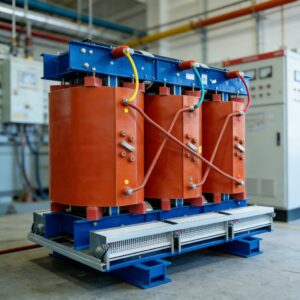
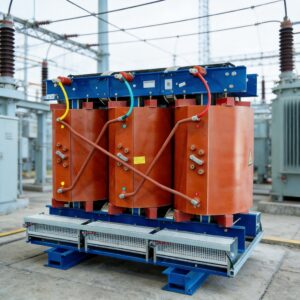
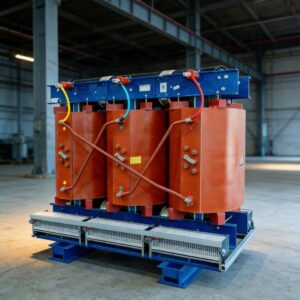
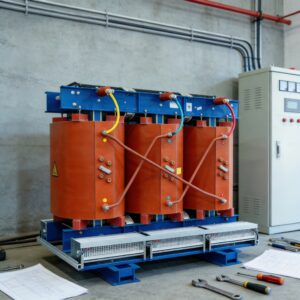
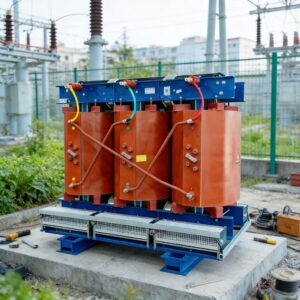
In der heutigen vielfältigen Energielandschaft reicht ein Einheitsansatz selten aus. Führende Transformatorenhersteller zeichnen sich durch hochgradig individualisierbare Lösungen aus, die spezifische Spannungsanforderungen, Umgebungsbedingungen, Platzbeschränkungen und regulatorische Vorgaben berücksichtigen. Ob Sie einen kompakten Transformator benötigen auf einem Fundament montierten Verteiltransformator Ob für städtische Umgebungen oder einen großen, flüssigkeitsgefüllten Leistungstransformator für Stromnetze – die Möglichkeit, Kernmaterialien, Wicklungskonfigurationen und Kühlmethoden individuell anzupassen, ist von größter Bedeutung.
Die Individualisierung geht über die technischen Spezifikationen hinaus und umfasst Spezialfunktionen wie geräuscharme Gehäuse für Wohnbereiche, hermetisch abgedichtete Tanks für Umgebungen mit hoher Luftfeuchtigkeit oder verbesserte fehlertolerante Konstruktionen für kritische Infrastrukturen. Flexible Produktionslinien ermöglichen es Herstellern, Kleinserien und Großaufträge ohne Beeinträchtigung der Lieferzeiten abzuwickeln. Kollaborative Entwicklungsprozesse – oft unterstützt durch digitale Modellierung und Simulation – erlauben es Kunden, Entwürfe zu prüfen und Änderungen vor dem Prototypenbau vorzuschlagen. Diese Flexibilität gewährleistet nicht nur, dass das Endprodukt perfekt auf die betrieblichen Anforderungen abgestimmt ist, sondern optimiert auch die Lebenszykluskosten durch Vermeidung von Überdimensionierung oder unnötigen Funktionen.
Globale Reichweite und Kundensupport

Die Zusammenarbeit mit einem Transformatorenhersteller mit starker globaler Präsenz kann bahnbrechend sein, insbesondere für multinationale Energieversorger und große Industrieunternehmen. Unternehmen mit strategisch günstig gelegenen Produktionsstätten, Vertriebszentren und Servicezentren können Logistikkosten und Lieferzeiten deutlich reduzieren. Eine globale Präsenz bedeutet zudem eine bessere Einhaltung regionaler Vorschriften und eine schnellere Reaktion auf Notrufe, sei es für routinemäßige Wartungsarbeiten oder unerwartete Reparaturen an abgelegenen Standorten.
Umfassende Kundendienstprogramme heben Branchenführer von anderen ab. Über Standardgarantien hinaus bieten Top-Hersteller maßgeschneiderte Wartungsverträge, Vor-Ort-Diagnostik und Schulungsprogramme für hauseigene Techniker an. Fernüberwachungslösungen – basierend auf IoT-Sensoren und Cloud-Analysen – ermöglichen vorausschauende Wartung und erkennen potenzielle Probleme, bevor diese zu kostspieligen Ausfällen führen. Durch die Kombination lokaler Supportteams mit zentralisierter Ingenieurskompetenz gewährleistet ein führender Transformatorenhersteller reibungslose Kommunikation, schnelle Problemlösung und kontinuierliche Leistungsoptimierung während der gesamten Lebensdauer des Transformators.
FAQ
1. Was ist ein Transformatorenhersteller?
Ein Transformatorenhersteller ist spezialisiert auf die Entwicklung, Produktion, Prüfung und Lieferung von elektrischen Transformatoren, die für die Energieübertragung, -verteilung und industrielle elektrische Systeme eingesetzt werden.
2. Welche Arten von Transformatoren produziert ein Transformatorenhersteller?
Ein Transformatorenhersteller kann Folgendes herstellen:
- Trockentransformatoren
- Ölgefüllte Transformatoren
- Verteiltransformatoren
- Leistungstransformatoren
- Plattenmontierte Transformatoren
- Trenntransformatoren
- Spezialtransformatoren
3. Welche Branchen bedienen Transformatorenhersteller?
Transformatorenhersteller bieten Lösungen für:
- Energieversorgungsunternehmen
- Industrieanlagen
- Projekte für erneuerbare Energien
- Kommerzielle Gebäude
- Datenzentren
- Infrastrukturprojekte
- Produktionsanlagen
4. Wie läuft der Herstellungsprozess eines Transformators ab?
Der typische Ablauf umfasst:
- Elektroplanung und -entwicklung
- Kernschneiden und Montage
- Spulenwicklung
- Isolierungsinstallation
- Transformatorbaugruppe
- Qualitätsprüfung
- Prüfung der elektrischen Leistungsfähigkeit
Fazit: Der Maßstab für Exzellenz in der Transformatorenfertigung
Die Wahl eines erstklassigen Transformatorenherstellers erfordert mehr als nur den Vergleich von Preisangeboten. Sie bedarf einer umfassenden Bewertung der Branchenerfahrung, der strikten Einhaltung von Qualitätsstandards und der Fähigkeit, Lösungen an individuelle Betriebsanforderungen anzupassen. Ein wirklich führender Hersteller zeichnet sich zudem durch ein globales Supportnetzwerk aus, das maximale Verfügbarkeit und kosteneffiziente Wartung gewährleistet.
Durch die Fokussierung auf diese Schlüsselfaktoren – Reputation, Zertifizierungen, individuelle Anpassungsmöglichkeiten und Kundenservice – können Unternehmen einen Partner auswählen, der nicht nur ihre aktuellen Anforderungen an die Stromverteilung erfüllt, sondern auch zukünftige Herausforderungen antizipiert. So sichern Sie sich eine zuverlässige Energieversorgung, die Produktivität, Innovation und nachhaltiges Wachstum über Jahre hinweg fördert.

 English
 Français
 Español
 Deutsch