
The US dry type transformer market is a crucial segment of the electrical industry. With increasing demand for electricity and the need for efficient energy distribution, dry type transformers have become an integral part of modern electrical infrastructure. This article delves into the dynamics of the US dry type transformer market, its growth potential, and the factors driving its expansion.
Understanding Dry Type Transformers
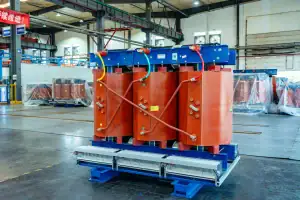
Dry type transformers, unlike their oil-filled counterparts, use air as the cooling medium. This design makes them safer and more environmentally friendly, as there is no risk of oil leakage or fire hazards. These transformers are widely used in commercial, industrial, and residential applications due to their reliability and low maintenance needs.
Key Features of Dry Type Transformers
- Safety: With no oil involved, the risk of fire and contamination is significantly reduced.
- Environmentally Friendly: These transformers are eco-friendly as they do not use any hazardous materials.
- Low Maintenance: The absence of oil makes them easier to maintain and operate.
- Compact Design: They are generally smaller and can be installed in confined spaces.

Market Size and Growth
The US dry type transformer market has been experiencing steady growth due to increasing urbanization and industrialization. As cities expand and industries grow, the demand for reliable and efficient power distribution solutions rises.
Market Size and Forecast
The US transformer market size, particularly for dry type transformers, is projected to grow significantly over the next decade. Factors contributing to this growth include advancements in technology, government regulations promoting clean energy, and the ongoing replacement of aging infrastructure.
Drivers of Market Growth
- Infrastructure Development: With new infrastructure projects across the US, the demand for dry type transformers is on the rise.
- Renewable Energy Integration: As the US shifts towards renewable energy sources, dry type transformers play a crucial role in integrating solar and wind power into the grid.
- Technological Advancements: Innovations in transformer design and materials have improved efficiency and reduced costs.
- Government Policies: Supportive policies and incentives for energy-efficient technologies are boosting the adoption of dry type transformers.
Applications of Dry Type Transformers in the US
Dry type transformers are versatile and used in various sectors. Here are some key applications:
Industrial Applications
In industrial settings, dry type transformers are used for power distribution in manufacturing plants, refineries, and chemical plants. They are ideal for environments where fire safety is a priority.
Commercial Applications
In commercial buildings, such as shopping malls, hospitals, and office complexes, dry type transformers provide reliable power distribution. Their compact size allows for installation in limited spaces, making them suitable for urban areas.
Residential Applications
While less common in residential areas, dry type transformers are used in large residential complexes and gated communities to ensure efficient power distribution.

Competitive Landscape
The US dry type transformer market is competitive, with several key players dominating the space. These companies focus on innovation, quality, and customer service to maintain their market positions.
Leading Companies in the Market
- General Electric: Known for its advanced transformer technologies and extensive product range.
- ABB Ltd: A leader in power and automation technologies, providing efficient and reliable transformer solutions.
- Siemens AG: Offers a wide range of transformers for various applications with a focus on energy efficiency.
- Schneider Electric: Known for its smart grid solutions and innovative transformer designs.
Market Strategies
Leading companies are investing in research and development to create more efficient and sustainable transformer solutions. Collaborations and partnerships with other technology providers are also common to enhance product offerings.
Challenges in the Market
Despite the growth prospects, the US dry type transformer market faces several challenges:
High Initial Costs
Dry type transformers generally have higher upfront costs compared to oil-filled transformers. This can be a barrier for small businesses or projects with limited budgets.
Technological Limitations
While advancements are being made, there are still limitations in the capacity and efficiency of dry type transformers compared to traditional transformers.
Regulatory Challenges
Compliance with stringent regulations and standards can be challenging for manufacturers and may increase production costs.
Future Outlook
The future of the US dry type transformer market looks promising. With ongoing technological advancements and a growing focus on sustainable energy solutions, dry type transformers are set to play a pivotal role in the US energy landscape.
Emerging Trends
- Smart Transformers: Integration of IoT and smart grid technologies in transformers for enhanced monitoring and efficiency.
- Energy Efficiency: Continuous improvements in energy efficiency to meet regulatory standards and customer expectations.
- Customization: Increasing demand for customized solutions to meet specific application requirements.
In conclusion, the US dry type transformer market is poised for substantial growth. With increasing demand for energy-efficient and reliable power distribution solutions, dry type transformers will continue to be a vital component of the US electrical infrastructure. Stakeholders in the industry should focus on innovation and adaptation to overcome challenges and capitalize on emerging opportunities.